
UNCLASSIFIED // PRE-DECISIONAL // FOR OFFICIAL USE ONLY
Workplace Charging: Balancing Employee Convenience and Power Limits
— END OF FRONT-MATTER // ARTICLE BODY FOLLOWS —
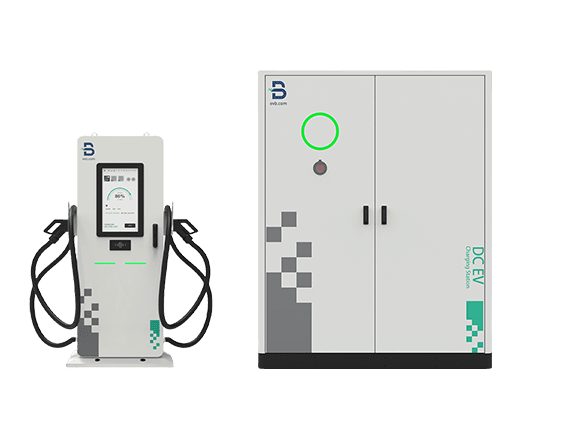 Workplace charging is about convenience, employee benefit, and power management at the same time. A successful project starts with the site’s operating pattern. Charging equipment that works well in one location may be inefficient in another if dwell time, power capacity, user behavior, and payment expectations are different.
For office buildings, industrial campuses, and business parks, buyers should decide whether the goal is convenience, revenue, fleet readiness, brand value, or a combination of these. AC charging may be suitable when vehicles remain parked for hours. DC charging becomes more valuable when turnover is higher or when the site wants to serve drivers who need a faster stop. In many cases, the best plan uses different charger types rather than one standard solution for every space.
For buyers who want a concrete reference while comparing options, EVB’s workplace EV charging can be reviewed alongside project requirements, site limitations, and long-term operating needs.
The planning process should include electrical capacity, parking layout, cable reach, user access, payment method, backend management, service access, and future expansion. Operators should also consider how faults will be monitored and how quickly support can respond when chargers become part of a public or business-critical service.
Good EV charging site planning is not only about installing chargers. It is about matching equipment, software, power availability, and user behavior. When that match is clear, the site is more likely to deliver predictable performance, better utilization, and a smoother experience for drivers and operators.
Workplace charging is about convenience, employee benefit, and power management at the same time. A successful project starts with the site’s operating pattern. Charging equipment that works well in one location may be inefficient in another if dwell time, power capacity, user behavior, and payment expectations are different.
For office buildings, industrial campuses, and business parks, buyers should decide whether the goal is convenience, revenue, fleet readiness, brand value, or a combination of these. AC charging may be suitable when vehicles remain parked for hours. DC charging becomes more valuable when turnover is higher or when the site wants to serve drivers who need a faster stop. In many cases, the best plan uses different charger types rather than one standard solution for every space.
For buyers who want a concrete reference while comparing options, EVB’s workplace EV charging can be reviewed alongside project requirements, site limitations, and long-term operating needs.
The planning process should include electrical capacity, parking layout, cable reach, user access, payment method, backend management, service access, and future expansion. Operators should also consider how faults will be monitored and how quickly support can respond when chargers become part of a public or business-critical service.
Good EV charging site planning is not only about installing chargers. It is about matching equipment, software, power availability, and user behavior. When that match is clear, the site is more likely to deliver predictable performance, better utilization, and a smoother experience for drivers and operators.
— END OF TRANSMISSION // RETURN TO OPERATIONS —